The right meeting becomes a partnership.
Schedulo’s AI understands what each attendee is looking for and what they offer, and matches the people who can add the most value to each other. It turns the request into a confirmed slot at a table and briefs both sides before they sit down. Meetings that lead to business, not random introductions.
Smart matching, the right meeting, a real partnership.
An event has hundreds of attendees, but only a few of them will grow your business. Schedulo finds those few, prepares the meeting and keeps the relationship alive afterwards.
Smart matching
The AI reads profiles, goals and company data, and scores “looking for” against “offers” in both directions. Sharing an industry is not enough; the match has to add value both ways.
Meeting the right person
Every suggestion comes with its reasons: why this person, common ground and talking points. An AI briefing prepares both sides just before the meeting, so the first minutes are not spent on introductions.
Partnership
The relationship does not end with the meeting: the contact, notes and follow-up tasks stay in Schedulo. An introduction moves to a next step, and the next step to a partnership.
How the matchmaking works
- 01
Profile and intent
During sign-up each attendee states what they are looking for and what they offer. Company and LinkedIn data enrich it, producing a structured AI profile per attendee.
- 02
Semantic matching
The engine turns those statements into semantic vectors and combines them with intent extraction. Sharing an industry is not enough: "looking for" is scored against "offers", directionally. If the vector service is unavailable, tag overlap takes over so matching keeps running.
- 03
Suggestion and invite
Attendees see reasoned suggestions in the mobile app, with common ground and talking points. They send a meeting invite; the other side accepts, declines or proposes another time. Clashing slots and blocked hours are filtered out automatically.
- 04
Meeting day
A confirmed meeting gets a networking table and a position on the venue map. A reminder lands 15 minutes before, and an AI briefing summarising the other party arrives 5 minutes before. Note-taking is prompted afterwards.
ExploRe & ReConnext 2026
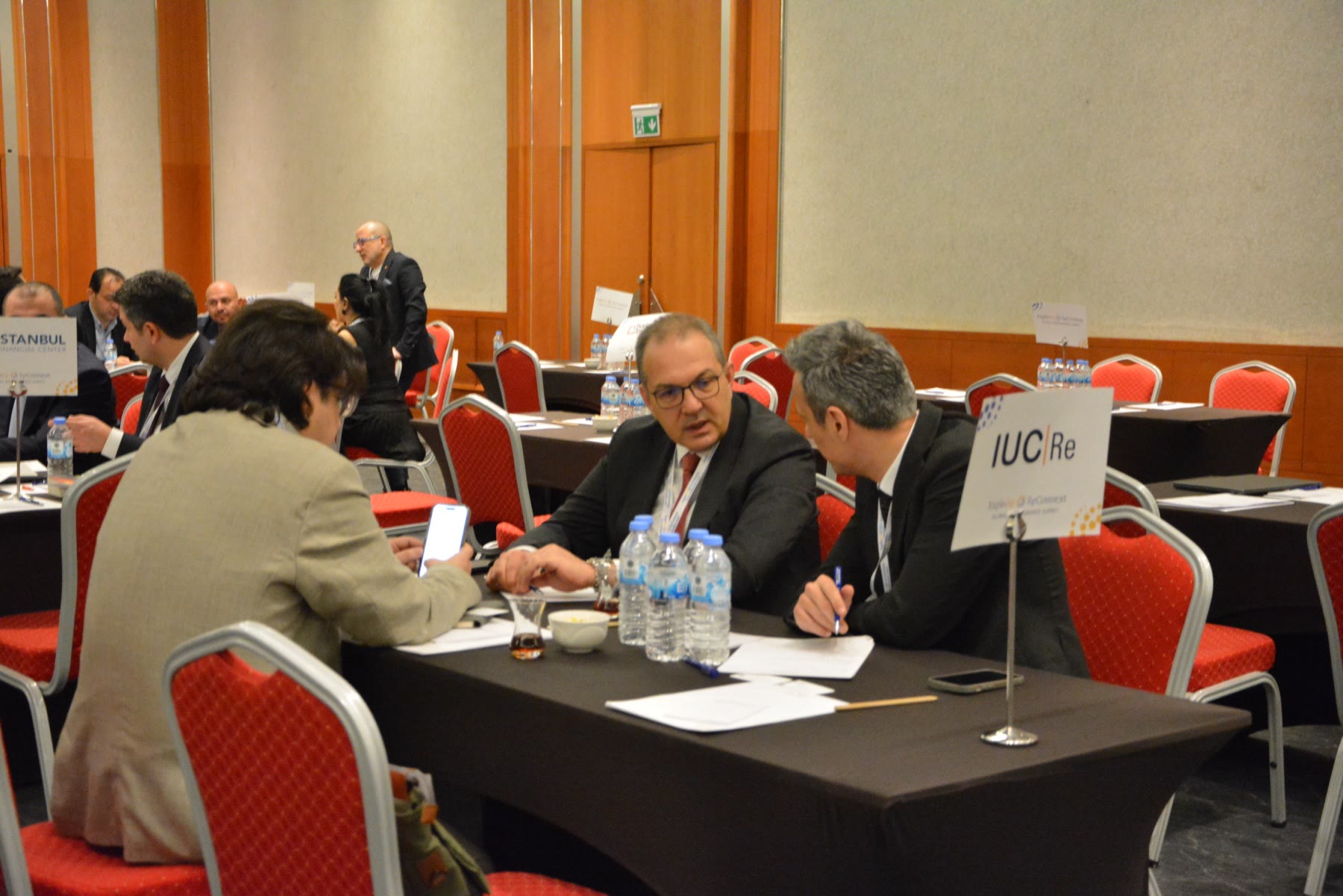
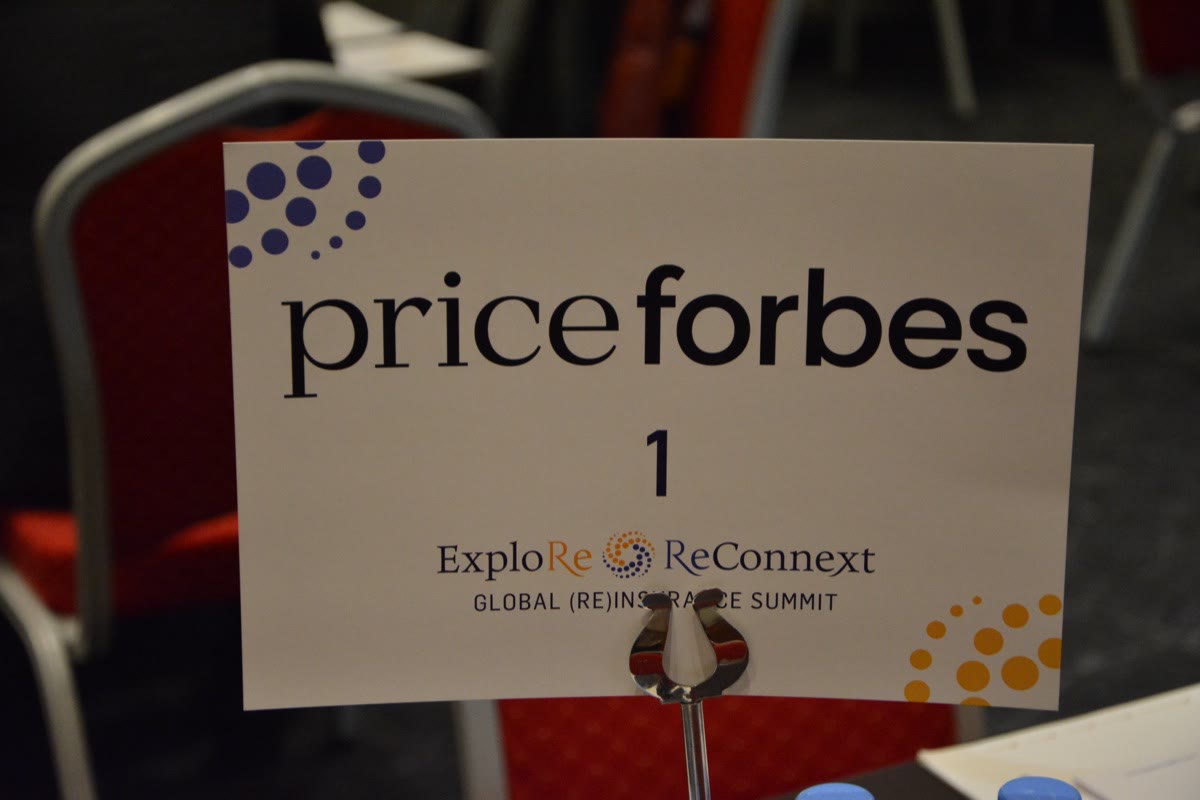
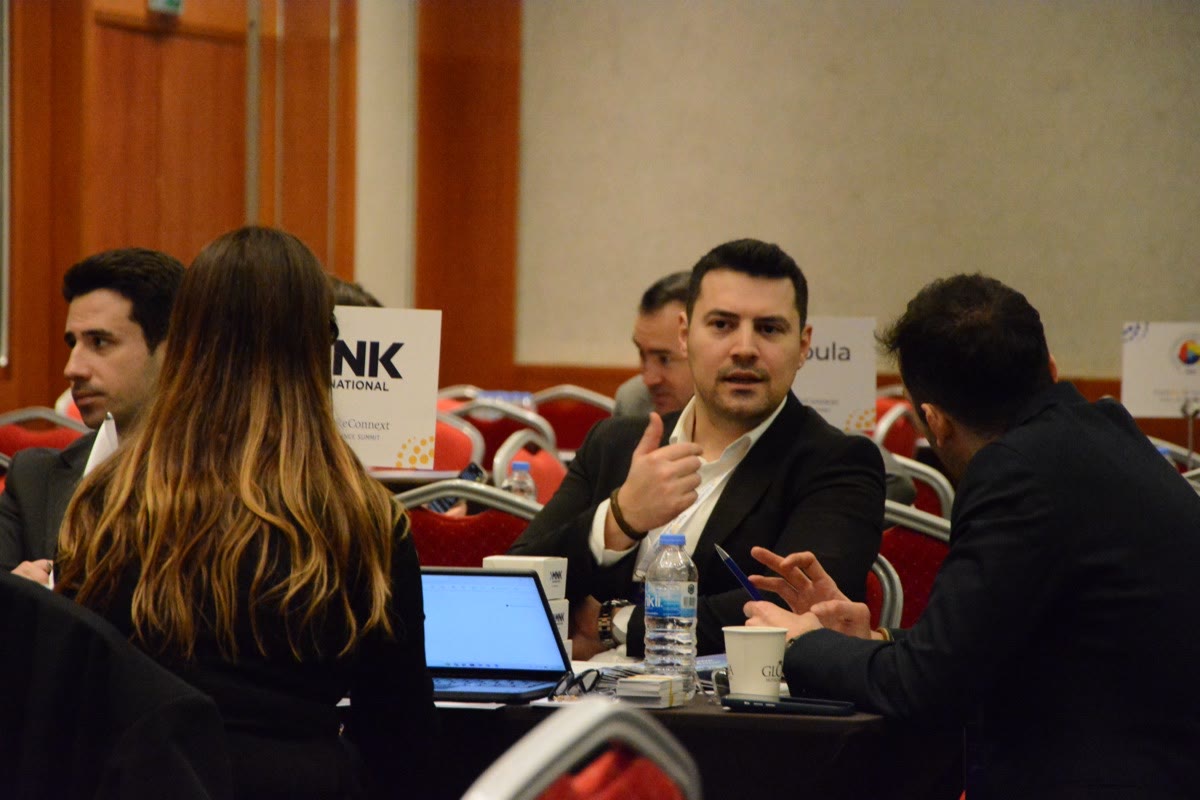
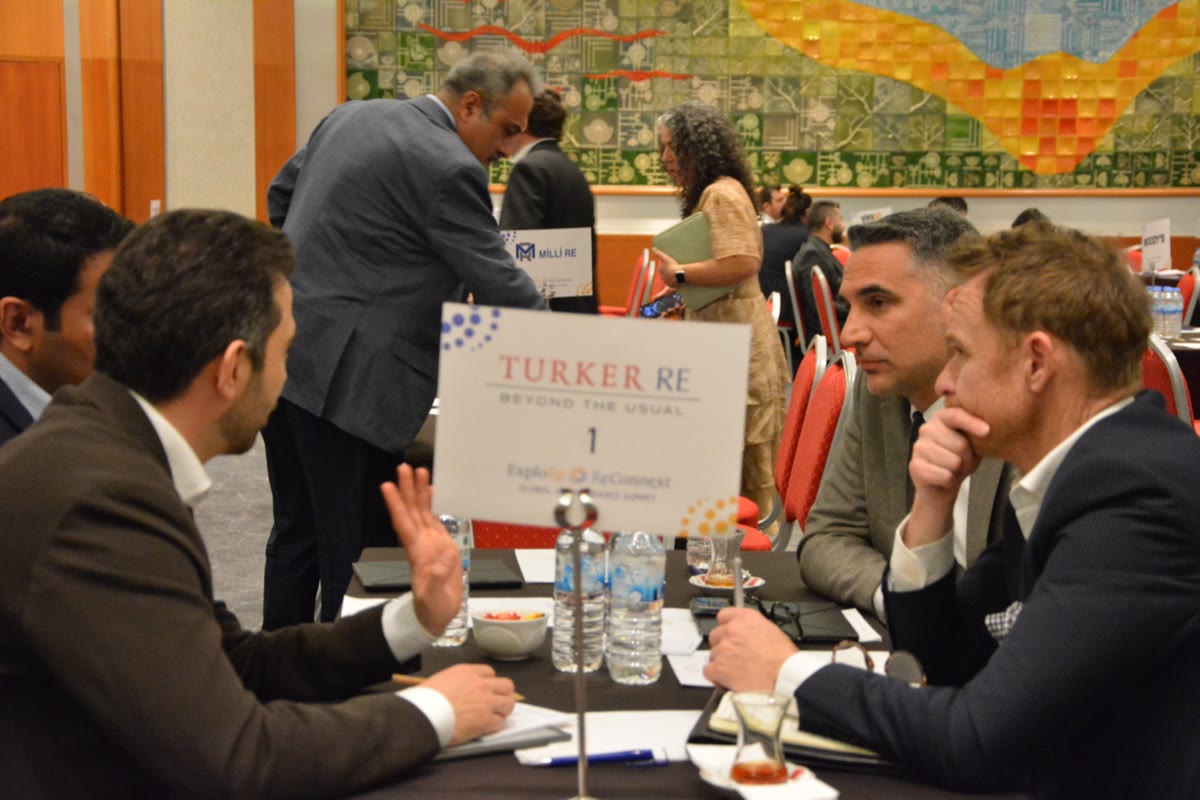
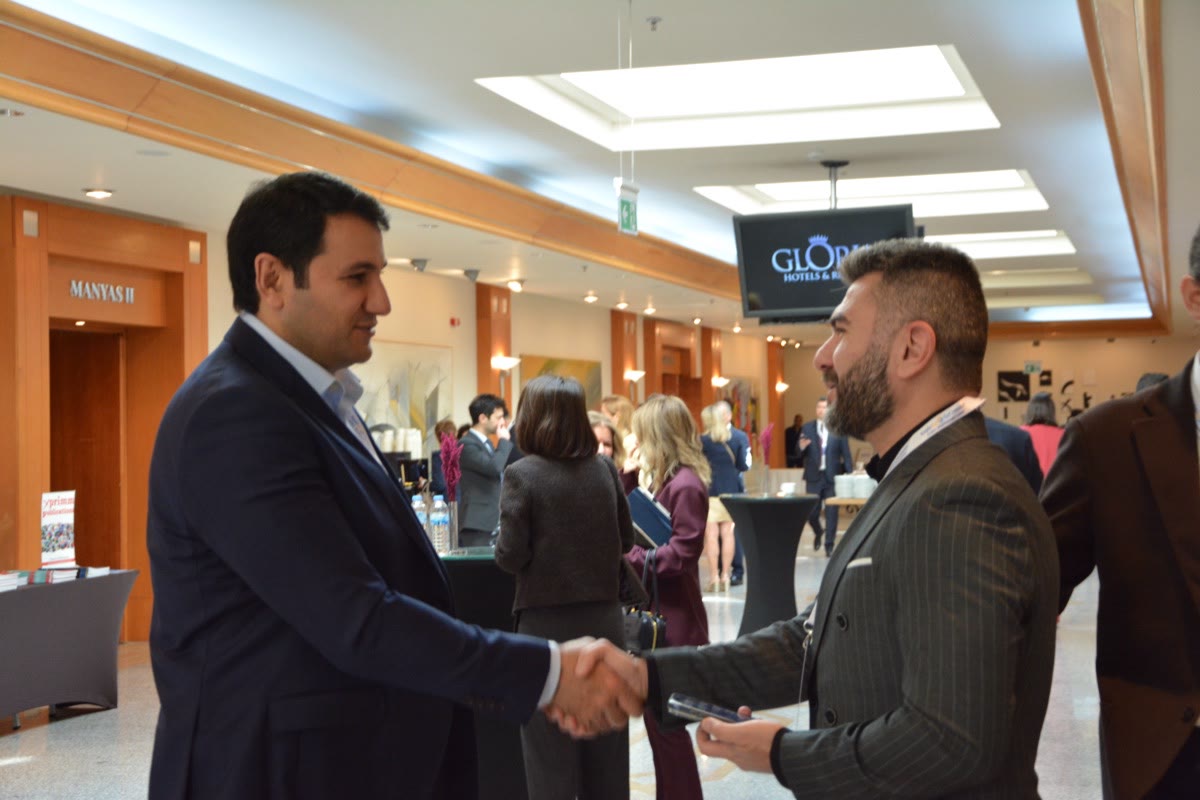
At this international (re)insurance summit in Antalya, the attendee directory and match suggestions lived in Schedulo. One-to-one meetings took place at signposted tables across the meeting hall.
What is included
- AI matchmaking
- Reasoned match suggestions from profiles, goals and company data; “looking for” is scored against “offers” in both directions.
- 1:1 meeting management
- Request, accept, decline, reschedule; conflict detection and personal unavailable slots.
- Networking tables
- Table setup, reservations, clash handling and an hourly occupancy grid.
- Venue map
- Visual placement of tables and booths inside the mobile app.
- QR business card and scanner
- Attendees scan a QR card, open the profile and save the connection in the app.
- Pre-meeting AI briefing
- A summary of the other party, common ground and concrete talking points, delivered just before the meeting.
- Programme and sessions
- Daily agenda, session registration, personal calendar and reminders.
- Messaging
- Direct and group chat, session discussions and a support line, in real time.
- Command centre
- Live KPIs, attendance rates, moderation and Excel export for organisers.
- Sponsor and company management
- Company directory, sponsorship requests, booth location and per-event records.
- Bilingual experience
- Attendee interface and every notification follow the event language, Turkish or English.
Who it is for
- —Buyer delegations and 1:1 business meeting programmes
- —Industry summits and international forums
- —Association congresses and member gatherings
- —Trade fair side events and investor meetups
Frequently asked
Does Schedulo do B2B matchmaking?
Yes. A recommendation engine that semantically matches attendee goals and profiles, a meeting invite flow, conflict detection and table assignment are all core parts of the product.
Is the matching just tag similarity?
No. Goal statements are embedded as vectors and scored directionally with intent extraction, so the engine computes who can offer what to whom. Tag overlap is the fallback when the vector service is unreachable.
Are tables and times assigned automatically?
When a meeting is confirmed an available networking table and slot are proposed; organisers can also assign them manually from the command centre, where clashes are visible.
Is there badge scanning?
Attendees have an in-app QR business card and a camera scanner, and a scanned profile can be saved. A separate exhibitor lead-retrieval module is not part of this release.
Can buyer and seller roles be defined?
Today the distinction comes from attendee roles and pass types plus the "looking for / offering" fields on the AI profile. A classic buyer-seller taxonomy built on a product category tree is not available yet.
Is there a mobile app?
Yes. iOS and Android apps are live on the App Store and Google Play; attendees sign in with their e-mail and a one-time code.
Let us talk about matchmaking for your event
Share your attendee volume, meeting format and dates, and we will map out the setup and timeline with you.
Schedule a call →